
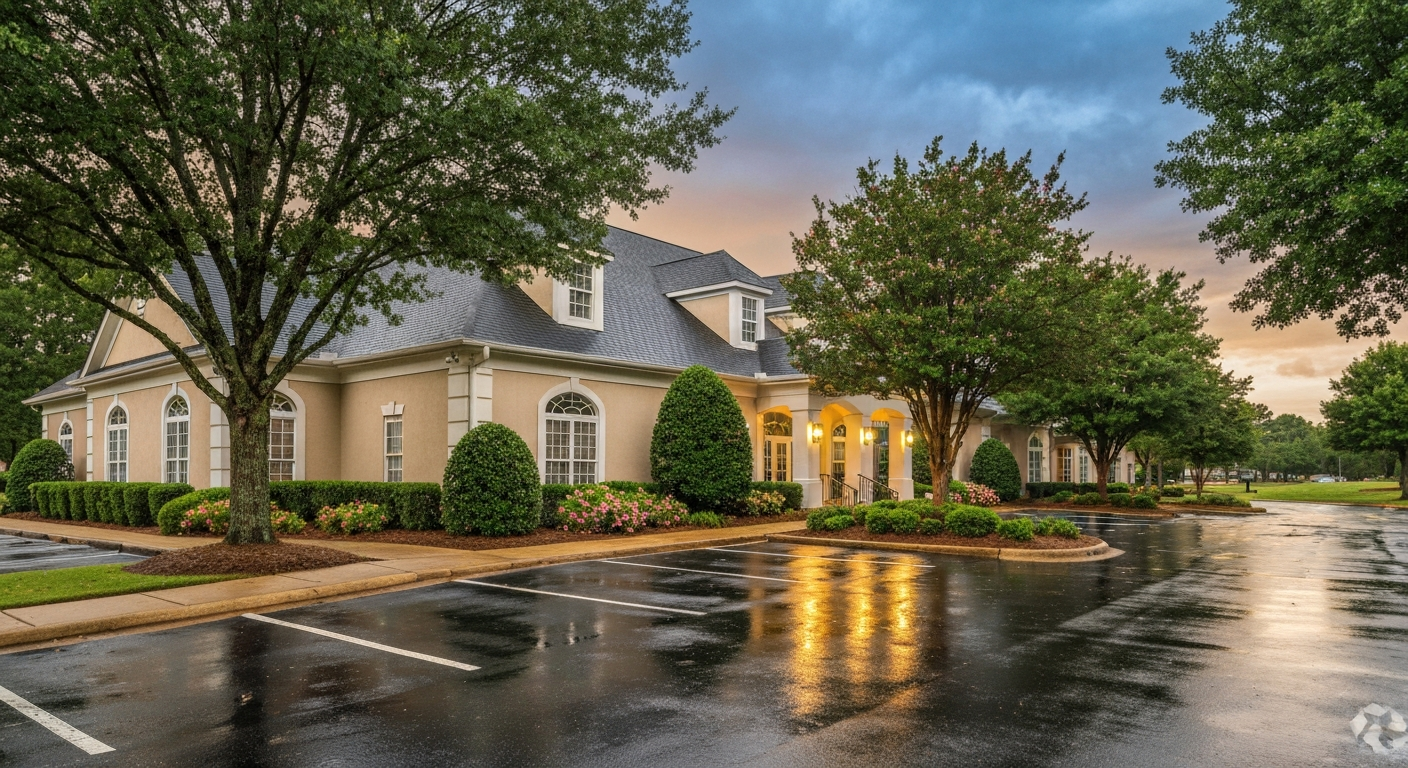
Owner financing lets you buy commercial property directly from a seller without traditional bank loans. However, many small business owners achieve their goals faster through flexible office leasing—preserving capital while gaining professional workspace. Tiva Properties offers all-inclusive private offices in Acworth starting at $595 per month.
Understanding what is owner financing commercial real estate can open doors for entrepreneurs exploring property acquisition. This alternative financing method allows buyers to purchase commercial property directly from sellers, bypassing traditional bank loans and their stringent qualification requirements. For small business owners in Northwest Metro Atlanta weighing their options, owner financing represents one path to securing business space—but it may not be the most strategic choice for every situation.
The commercial real estate landscape offers multiple routes to establishing your professional presence. While some businesses benefit from property ownership, others find that leasing flexible, fully serviced office space delivers the same advantages without the financial burden and risk that comes with buying real estate. This guide explains how owner financing works, its benefits and drawbacks, and helps you determine whether ownership or leasing better serves your business goals.
How Owner Financing Works in Commercial Property Deals
Owner financing, also known as seller financing commercial property, fundamentally changes the traditional real estate transaction. Instead of securing a mortgage from a bank or credit union, the buyer makes payments directly to the property seller over an agreed-upon term. The seller essentially becomes the lender, holding a promissory note secured by the property itself.
The Seller Acts as Lender Instead of Traditional Bank
In a conventional commercial real estate purchase, buyers apply for financing through banks, credit unions, or commercial lenders. These institutions evaluate creditworthiness, require extensive documentation, and often take weeks or months to approve loans. With owner financing, the seller assumes this role, evaluating the buyer based on mutually agreed criteria rather than rigid institutional standards.
The seller retains legal title to the property until the buyer fulfills the payment terms. This arrangement gives sellers security—if the buyer defaults, the seller can reclaim the property through foreclosure. For buyers, it means access to commercial property that might otherwise be unattainable through traditional financing channels.
Buyer Makes Payments Directly to Property Owner
Monthly payments in an owner-financed deal typically include principal and interest, similar to a traditional mortgage. However, the payment structure, interest rate, and term length are all negotiable between parties. Some agreements include escrow accounts for property taxes and insurance, while others require the buyer to handle these separately.
The direct payment relationship between buyer and seller can streamline communication and provide flexibility when circumstances change. Unlike dealing with a large financial institution, buyers may find sellers more willing to negotiate temporary payment adjustments during challenging business periods.
Your Private Office Awaits
Bells Ferry Prime — Acworth, GA
Fully serviced private offices with no hidden costs. Flexible leases available now.
Negotiable Terms Including Down Payment and Interest Rates
One of the primary advantages of seller financing commercial property is the flexibility in structuring deals. Unlike bank loans with standardized terms, owner-financed transactions allow both parties to negotiate key elements:
- Down payment amount: While banks typically require 20-30% down for commercial properties, seller financing down payments vary widely based on seller preferences and buyer qualifications
- Interest rate: Rates are negotiated directly and may be higher or lower than prevailing market rates depending on the deal structure
- Loan term: Terms can range from a few years to 20 or more, though shorter terms with balloon payments are common
- Amortization schedule: Payments can be structured to match the buyer’s cash flow patterns
- Prepayment options: Buyers may negotiate the ability to pay off the loan early without penalties
Key Benefits of Seller Financed Commercial Real Estate
Owner Financing vs. Traditional Bank Financing
Traditional Bank Loan
- Requires 680+ credit score typically
- 20–30% down payment standard
- 60–90 day closing timeline
- Extensive documentation required
- Rigid repayment terms
- Only 27% approval rate for small business loans
Owner Financing
- Flexible credit requirements
- 5–15% down payment negotiable
- Close in as little as 2–3 weeks
- Simplified paperwork process
- Customizable loan terms
- Up to 40% of commercial sales involve seller financing
Sources: Federal Reserve Small Business Credit Survey 2024, Commercial Real Estate Finance Council
Owner financed business property transactions offer distinct advantages for buyers who face challenges with traditional lending or seek more creative deal structures. Understanding these benefits helps you evaluate whether this financing approach aligns with your business objectives.
Faster Closing Without Bank Approval Delays
Traditional commercial mortgages often take 60 to 90 days or longer to close. The process involves extensive documentation, property appraisals, environmental assessments, and multiple levels of underwriting approval. Each step introduces potential delays and complications that can derail time-sensitive transactions.
Owner-financed deals can close in as little as two to four weeks when both parties are motivated and prepared. Without institutional bureaucracy, buyers and sellers work directly to complete due diligence and finalize paperwork. This speed proves particularly valuable when:
- A business needs to relocate quickly to capture a market opportunity
- The property has multiple interested buyers and timing is competitive
- The buyer wants to avoid extended periods of uncertainty during the purchase process
- Market conditions favor acting quickly before interest rates or prices change
More Flexible Qualification Requirements
Banks apply rigid criteria when evaluating commercial loan applications. They examine credit scores, debt-to-income ratios, business financials, industry risk factors, and collateral values. Newer businesses, those with limited credit history, or entrepreneurs recovering from financial setbacks often struggle to meet these requirements.
Sellers evaluating owner financing proposals may weigh factors differently. A seller might prioritize the buyer’s industry experience, business plan viability, or personal reputation over credit scores. This flexibility opens opportunities for qualified buyers who do not fit neatly into traditional lending boxes.
However, buyers should note that flexibility cuts both ways. Sellers may require larger down payments or higher interest rates to offset perceived risks. The negotiation process requires honest assessment of what terms truly benefit your business long-term.
Customizable Payment Structures for Buyers
Commercial real estate financing options through traditional lenders come with standardized payment structures. Owner financing allows creative arrangements that better match business cash flow realities:
- Seasonal payment adjustments: Businesses with seasonal revenue fluctuations may negotiate higher payments during peak months and lower payments during slow periods
- Graduated payments: Starting with lower payments that increase over time as the business grows
- Interest-only periods: Initial months or years paying only interest, preserving cash for business development
- Deferred down payments: Some sellers accept down payment installments rather than requiring full payment at closing
Risks and Drawbacks to Consider Before Signing
While owner financing presents opportunities, it also carries significant risks that buyers must evaluate carefully. Understanding these drawbacks helps you make informed decisions about whether this path serves your business interests.
Higher Interest Rates Than Conventional Loans
Sellers accepting financing risk typically charge higher interest rates than banks. While current commercial mortgage rates might range from 6% to 8%, owner-financed deals often carry rates of 8% to 12% or higher. Over a multi-year term, these higher rates translate to substantially greater total interest paid.
Consider a $500,000 property purchase with 20% down, financed over 15 years:
- At 7% interest: Total interest paid approximately $257,000
- At 10% interest: Total interest paid approximately $406,000
- Difference: Nearly $150,000 in additional interest costs
This cost difference must factor into your decision-making. The convenience and accessibility of owner financing comes at a financial premium that affects your business profitability for years.
Balloon Payment Requirements Common
Many owner-financed commercial properties include balloon payment provisions. The loan might amortize over 20 or 30 years for lower monthly payments, but the remaining balance becomes due in full after 5 to 10 years. This structure creates refinancing pressure at a future date when market conditions, interest rates, or your business circumstances may have changed unfavorably.
Balloon payments pose significant risks:
- You may be unable to refinance if your business financials have declined
- Interest rates may have risen substantially, making refinancing expensive
- Property values may have dropped, limiting refinancing options
- Personal circumstances may have changed, affecting your qualification
Failing to satisfy a balloon payment can result in foreclosure and loss of all equity built in the property. Buyers should have clear plans for handling balloon payments before signing any owner-financed agreement.
Due Diligence Still Essential for Both Parties
The informal nature of some owner-financed transactions can lead parties to skip important protections. Buyers must conduct thorough due diligence even when purchasing from seemingly trustworthy sellers:
- Title search: Verify the seller owns the property free of liens or encumbrances that could affect your ownership
- Property inspection: Identify structural issues, environmental concerns, or code violations before purchase
- Zoning verification: Confirm the property is zoned appropriately for your intended business use
- Legal review: Have an attorney review all documents to protect your interests
- Insurance requirements: Understand coverage needs and ensure adequate protection
Skipping these steps to save money or expedite closing can result in costly problems that far exceed any savings. Professional guidance remains essential regardless of financing method.
Owner Financing vs Leasing: Which Path Fits Your Business
For many small business owners, the question extends beyond how to finance a property purchase to whether purchasing makes sense at all. Flexible commercial lease terms offer an alternative path that often better serves business objectives, particularly for growing companies that need agility and capital preservation.
Ownership Builds Equity But Requires Capital Commitment
Property ownership creates a forced savings mechanism through equity building. Each mortgage payment reduces the principal balance while property appreciation potentially increases value. Over time, owners may build substantial wealth through real estate holdings.
However, this equity building requires significant capital commitment upfront and ongoing:
- Down payment: Typically 20-30% of purchase price, tying up tens or hundreds of thousands of dollars
- Closing costs: Legal fees, title insurance, inspections, and other transaction costs
- Maintenance reserves: Property owners bear responsibility for all repairs and maintenance
- Property taxes: Annual tax obligations regardless of business profitability
- Insurance: Comprehensive coverage requirements protecting the property investment
For a small business, these capital requirements represent money unavailable for inventory, marketing, hiring, equipment, or other investments that directly grow revenue. The opportunity cost of property ownership deserves careful consideration.
Leasing Preserves Cash Flow and Offers Flexibility
Leasing commercial space allows businesses to establish professional operations without massive capital outlays. Instead of a six-figure down payment, businesses pay a security deposit and monthly rent—preserving working capital for core business activities.
Flexibility represents another significant leasing advantage. Business needs change over time:
- Growth may require larger space than initially anticipated
- Market shifts may make a different location more strategic
- Business model changes may alter space requirements entirely
- Economic downturns may necessitate downsizing to preserve cash
Property owners face the challenge of selling or finding tenants when circumstances change. Lessees with flexible lease terms can adapt more readily, moving to space that matches current needs without the burden of property disposition.
All-Inclusive Office Suites Eliminate Hidden Costs
Traditional commercial leases often include “triple net” provisions where tenants pay base rent plus property taxes, insurance, and maintenance costs. These additional expenses can add 30-50% to the base rental rate, creating budget uncertainty and unexpected costs.
All-inclusive office suites bundle everything into one predictable monthly payment:
- Utilities including electricity, heating, and cooling
- Common area maintenance and cleaning
- Building insurance coverage
- Property taxes as part of operating costs
- Internet and technology infrastructure
- Parking for clients and employees
This transparency allows accurate budgeting without surprise expenses. Business owners know exactly what their space costs each month, simplifying financial planning and eliminating the administrative burden of managing multiple vendor relationships.
Flexible Office Solutions in Acworth Without Buying Property
For small business owners, entrepreneurs, freelancers, and consultants in Northwest Metro Atlanta, flexible office leasing often represents the smartest path to professional workspace. The benefits of a professional environment come without the risks and capital requirements of property ownership or even traditional long-term leases.
Month-to-Month Leases With No Long-Term Commitment
Traditional commercial leases typically require three to ten year commitments with personal guarantees. Breaking these leases early can result in substantial financial penalties, and the long-term commitment creates significant risk for businesses that may evolve or face changing circumstances.
Month-to-month lease arrangements provide business agility:
- Scale up to larger space as your team grows
- Downsize during challenging periods without penalty
- Relocate if business needs change
- Test a location before making longer commitments
- Maintain flexibility as economic conditions evolve
At Bells Ferry Prime in Acworth, Tiva Properties offers private office suites ranging from 193 to 442 square feet with flexible lease terms. Whether you need space for a solo practice or a small team, you can view our available office suites to find the right fit for your current needs.
Professional Business Address Without Ownership Burden
A professional business address enhances credibility with clients, partners, and vendors. Meeting clients in a well-maintained office building conveys stability and success more effectively than home offices or coffee shop meetings. However, achieving this professional presence does not require property ownership.
Leasing a private office provides:
- Professional mailing address for business correspondence
- Dedicated private workspace for focused productivity
- Client meeting space that reflects well on your business
- Separation between home and work environments
- Access to building amenities and common areas
The professional image benefits come immediately upon moving in, without months of property search, financing negotiations, and closing processes that property purchase requires.
All Utilities and Services Included in One Monthly Price
Property owners manage countless details beyond their core business operations: HVAC maintenance contracts, utility accounts, landscaping services, security systems, cleaning crews, and repair vendors. Each represents time and mental energy diverted from revenue-generating activities.
Fully serviced office suites eliminate this management burden. At Bells Ferry Prime, your monthly rent covers everything you need to operate professionally:
- Electricity and climate control
- High-speed internet connectivity
- Common area maintenance and cleaning
- Building security and access control
- Parking for you and your clients
- Professional building management
With suites starting at $595 per month, the total cost of professional office space often proves surprisingly affordable—especially compared to the hidden costs and capital requirements of property ownership. No surprises, no hidden fees, just one predictable monthly payment that covers everything.
For many entrepreneurs exploring commercial real estate financing options, the realization that they do not need to own property to achieve their professional goals comes as welcome news. Leasing preserves capital for business growth while providing the workspace quality and flexibility that modern businesses require.
Ready to explore your options? Schedule a tour today to see how Bells Ferry Prime can provide the professional workspace your business deserves—without the commitment and risk of property ownership.
Frequently Asked Questions About Owner Financing Commercial Real Estate
What is the typical down payment for owner financed commercial property?
Down payments for owner financed commercial property typically range from 10% to 30% of the purchase price, though this varies significantly based on individual negotiations. Sellers seeking to minimize their risk may require larger down payments, while motivated sellers might accept lower amounts from qualified buyers. Unlike bank-financed transactions with standardized requirements, owner financing down payments are fully negotiable between parties. Buyers with strong business track records or valuable relationships with sellers may negotiate more favorable terms.
How does owner financing differ from a traditional commercial mortgage?
Owner financing differs from traditional commercial mortgages in several key ways. The seller acts as the lender rather than a bank or financial institution, making payments directly to the property owner. Qualification requirements are negotiable rather than standardized, allowing more flexibility for buyers who may not meet strict bank criteria. Closing timelines are typically faster—weeks rather than months—because institutional underwriting is eliminated. However, owner financing often carries higher interest rates and may include balloon payment provisions that require refinancing or full payoff within 5 to 10 years.
Is owner financing a good option for small business owners?
Owner financing can benefit small business owners who face challenges with traditional bank financing or need to close quickly on a property opportunity. However, the higher interest rates and balloon payment risks require careful evaluation. Many small business owners find that leasing fully serviced office space better serves their needs—preserving capital for business operations, maintaining flexibility as needs change, and eliminating property management responsibilities. The decision depends on your specific circumstances, growth plans, available capital, and how central property ownership is to your business strategy.
What are the alternatives to buying commercial property for my business?
Alternatives to buying commercial property include traditional long-term leases, short-term flexible leases, coworking spaces, and fully serviced private office suites. For many small businesses, all-inclusive office leasing provides the best balance of professionalism, flexibility, and cost-effectiveness. This approach delivers private workspace, professional business address, and included utilities without the capital requirements, long-term commitments, or property management burdens of ownership. Tiva Properties offers private office suites in Acworth, GA with month-to-month lease options starting at $595 per month, providing professional workspace without the complexity of property acquisition.
Ready to Find Your Perfect Office in Acworth?
Tour Bells Ferry Prime today — private offices from $595/mo, all inclusive.
Whether you have been researching what is owner financing commercial real estate or exploring other commercial real estate financing options, the path to professional workspace does not always require property ownership. For entrepreneurs, consultants, freelancers, and small business owners throughout Northwest Metro Atlanta, leasing a fully serviced private office delivers the benefits you need—professional image, dedicated workspace, and business flexibility—without tying up capital or taking on property ownership risks.
Tiva Properties at Bells Ferry Prime offers private office suites from 193 to 442 square feet, with all-inclusive monthly rates from $595 to $1,295. Flexible lease terms mean you can grow, adapt, or change direction as your business evolves. Located in Acworth, GA, our professional office building serves businesses throughout the Northwest Metro Atlanta region with convenient access and ample parking.
Skip the complexity of owner financing negotiations, down payments, and balloon payment worries. Apply Now to secure your private office at Bells Ferry Prime, or contact us at (478) 210-7444 to discuss your workspace needs. Your professional office awaits—without the burden of property ownership.
The Tiva Properties team manages Bells Ferry Prime, a professional office building in Acworth, GA offering fully serviced private offices for lease. Call us at (478) 210-7444 or visit tiva.properties to schedule your tour.